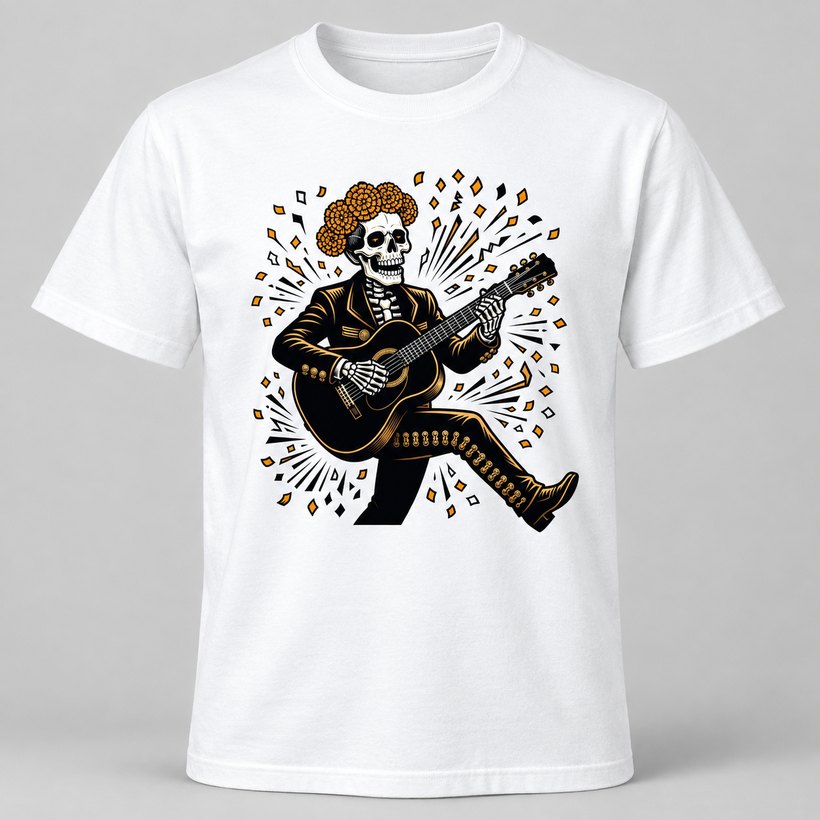
DTF vs Sublimation Printing: Which Is Best for T-Shirts, Mugs and Pens?
Two print methods power most custom gifts and apparel today. They look similar in a product photo, but they work in completely different ways, and choosing the wrong one means faded mugs, invisible prints on black tees or designs that wash straight out. Here is how DTF and sublimation compare, and which to pick for each product.
Choose DTF for cotton, blends and any dark garment: it prints full colour with a white underbase on almost any fabric. Choose sublimation for white or light polyester and coated items like mugs: the dye bonds into the material with no feel at all. For pens and uncoated hard goods, use UV printing or UV DTF.
Key takeaways
- DTF transfers sit on top of the fabric and work on cotton, polyester, blends, light and dark colours.
- Sublimation turns dye into a gas that bonds inside polyester or a polymer coating, so it only works on those surfaces.
- Sublimation has no white ink, which rules out black and dark garments.
- Custom mugs can be sublimated if they are coated, or finished with UV DTF if they are not.
- Pens and small hard goods are usually printed with direct UV printing or small UV DTF transfers.
What is DTF printing?
DTF, or direct to film printing, prints a design onto a clear PET film instead of onto the garment. The printer lays down the colour inks (CMYK) and then a layer of white ink behind them. While the ink is still wet, a hot-melt adhesive powder is spread over it and the loose powder is shaken off. The film is cured with heat so the powder melts into a smooth glue layer, and the finished transfer is heat pressed onto the fabric. Peel the film away and the design stays on the shirt.
That white underbase is the secret. It gives the colours an opaque base to sit on, so a DTF print looks just as bright on a black or maroon t-shirt as it does on white. Because the glue bonds to the surface of the fibres rather than reacting with them, DTF works on cotton, polyester, poly cotton blends, denim, canvas and more.
A well pressed DTF print has a slight, smooth feel on the fabric, stretches with it and stays bright through many washes. It is also efficient for single pieces, which is why it has become the go-to method for print on demand custom t-shirt printing and for small businesses selling DTF transfers to crafters.
What is sublimation printing?
Sublimation printing (dye sublimation) prints special dye onto sublimation paper. The paper is placed on the item and heat pressed. The heat turns the solid dye straight into a gas, which opens up and enters polyester fibres or a polymer coating. As the item cools, the dye is locked inside the material. Nothing sits on top, so there is nothing to feel, crack or peel.
The result is incredibly vivid and practically wash-proof on white or light polyester, which is why sports jerseys, polyester cushions, lanyards and sublimation mugs are made this way. The catch is just as clear. Sublimation cannot print white, so colours only show on light backgrounds, and the dye will not bond with cotton, so it washes out of a 100% cotton t-shirt. Ceramic mugs, metal keychains and photo slates only accept it if they carry a special polymer coating.
How do DTF and sublimation compare?
The short version: DTF is flexible about the material, sublimation is flawless on the right material. The detailed comparison below covers what people search for most when deciding between them. Independent guides such as dtf.technology and Lion DTF reach the same conclusions.
| Factor | DTF printing | Sublimation printing |
|---|---|---|
| Fabrics | Cotton, polyester, blends, denim, canvas and more | Polyester and high-polyester blends only |
| 100% cotton | Yes, the most common use | No, the dye washes out |
| Polyester | Yes | Yes, the best result possible |
| Dark garments | Yes, thanks to the white underbase | No, there is no white ink |
| Feel on the fabric | Slight, smooth layer on the surface | None, the dye is inside the fibre |
| Durability | Very good when pressed correctly; flexible through many washes | Excellent on polyester; will not crack or peel |
| Colour vibrancy | Bright and opaque on any colour | Extremely vivid on white; dulls on coloured bases |
| Mugs and hard goods | Via UV DTF transfers, no heat press needed | Yes, on polymer-coated mugs, slates and keychains |
| Cost for a single piece | Low; no screens or setup, ideal for one-offs | Low; also suits one-offs on the right blank |
| Best use | Custom t-shirts, hoodies, tote bags, dark t-shirt printing | Sports jerseys, polyester cushions, plush toys, sublimation mugs |
What about mugs, bottles and pens?
Hard goods add a third family of methods. Sublimation mugs are the traditional route: a white ceramic mug with a polymer coating, a wrap of sublimation paper and a mug press. It gives a smooth, dishwasher-friendly finish, but only on coated, light mugs.
UV DTF is the newer alternative. The design is printed with UV-cured ink onto a film that works like a strong, clear sticker. It is pressed on by hand, with no heat press, and sticks to glass, steel, plastic and ceramic, including coloured and uncoated surfaces. That makes it a good fit for custom mugs, insulated water bottles and phone cases.
Custom pens are usually printed with direct UV printing, where a flatbed printer jets ink straight onto the barrel and a UV lamp cures it instantly, or with a tiny UV DTF strip. The print area is small, often around 4 x 1 cm on the barrel, so bold shapes and short names read far better than detailed scenes.
Which should I choose for my product?
Start with two questions: what is the item made of, and what colour is it? Those two answers decide almost every case.
| Product | Best method | Why |
|---|---|---|
| Black or dark cotton t-shirt | DTF | Needs white ink and cotton compatibility |
| White cotton t-shirt | DTF | Sublimation will not hold on cotton |
| White polyester sports jersey | Sublimation | No feel, breathable, all-over prints |
| Cotton tote or canvas bag | DTF | Works on thick natural fibres |
| Ceramic mug, coated and white | Sublimation | Smooth, durable, classic finish |
| Coloured mug or steel water bottle | UV DTF | No coating or heat press required |
| Pen | Direct UV printing or UV DTF | Tiny curved print area |
| Polyester plush toy or cushion | Sublimation | Soft finish that stays cuddly |
| Keychain or photo slate | Sublimation (coated blank) | Photo-quality detail |
For crafters and small businesses. If you make craft images for gifts at home with a cutting machine and a heat press, ready-made DTF transfers are the easiest way to put full-colour art on cotton without weeding vinyl. Sublimation suits hobbyists who mostly make mugs, tumblers, keychains and custom toys on polyester or coated blanks. Many small shops keep both and pick per order.
How does CraftMyAI print?
Every CraftMyAI t-shirt is printed with DTF on 240 GSM combed cotton, because most people want cotton, and many want black, navy or maroon. DTF lets any design from the AI design app land on any of those colours with the same brightness. Prices are one flat rate per size: Rs 449 for S to L, Rs 499 for XL and Rs 299 to Rs 399 for kids.
Mugs, insulated water bottles and pens are coming soon, each with artwork composed for its shape:
- Mugs: a UV DTF full wrap of 22 x 9 cm or a 9 x 9 cm badge, on 11oz and 15oz mugs.
- Water bottles: a 20 x 8 cm wrap band or an 8 x 15 cm side panel, on 500ml and 750ml insulated steel bottles.
- Pens: UV printed, with a 4 x 1 cm barrel strip and a clip emblem, in packs of 2 and 5.
Because everything is printed on demand, a single personalised gift costs the same per piece as a team order. Read print on demand vs bulk orders for why that matters, or browse AI personalised gift ideas for inspiration.
Frequently asked questions
Is DTF or sublimation better for t-shirts?
For cotton t-shirts, and for any dark t-shirt, DTF is better. Sublimation only bonds with polyester and cannot print white, so it suits white or light polyester shirts such as sports jerseys. Most everyday tees are cotton, which is why DTF is the usual choice for custom t-shirt printing.
Can you sublimate on a black or cotton t-shirt?
Not directly. Sublimation dye has no white and only bonds with polyester fibres, so it disappears on black fabric and washes out of 100% cotton. For dark or cotton garments, DTF transfers are the practical choice.
What is the best way to print custom mugs?
Sublimation is the classic method for ceramic mugs, but it needs mugs with a special polymer coating and works best on white. UV DTF is a newer option: a printed transfer with UV-cured ink that sticks to the mug without a heat press and works on coloured and uncoated surfaces too.
How are custom pens printed?
Custom pens are usually printed with direct UV printing, which cures ink instantly on the plastic or metal barrel, or with small UV DTF transfers. Both handle the tiny print area of a pen barrel, which is often only a few centimetres long.
Does a DTF print crack or peel?
A DTF print that is pressed at the right temperature, pressure and time is very durable and stays flexible through many washes. Washing inside out in cool water and avoiding ironing directly on the print keeps it looking new for longer.